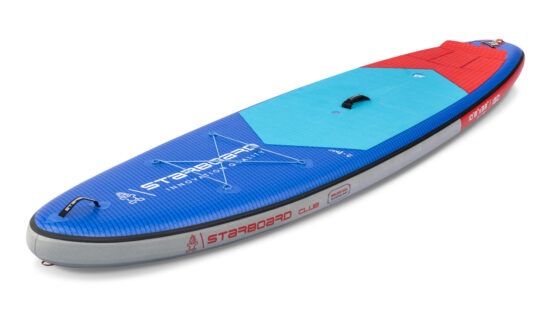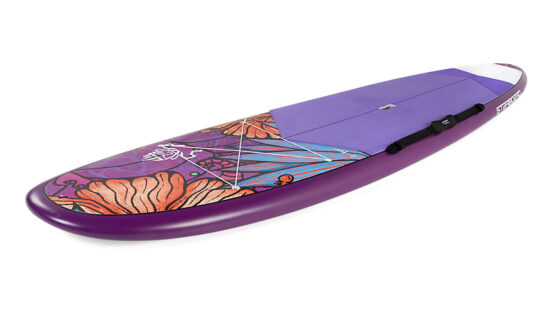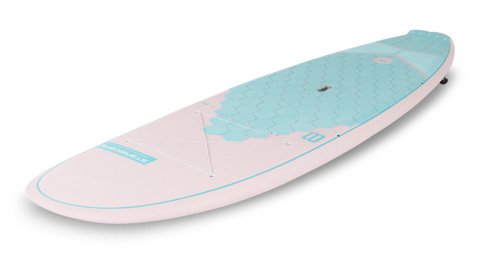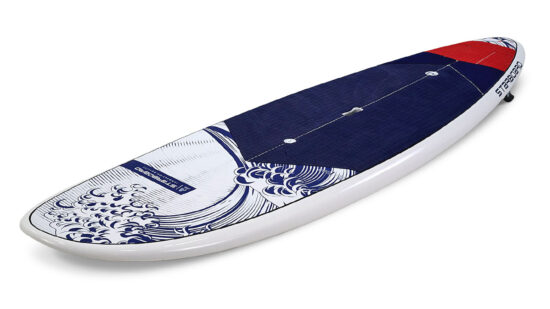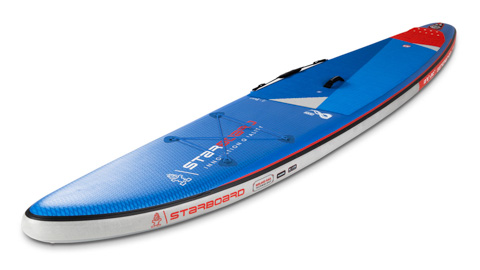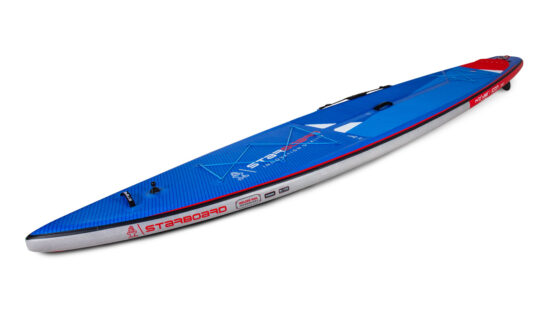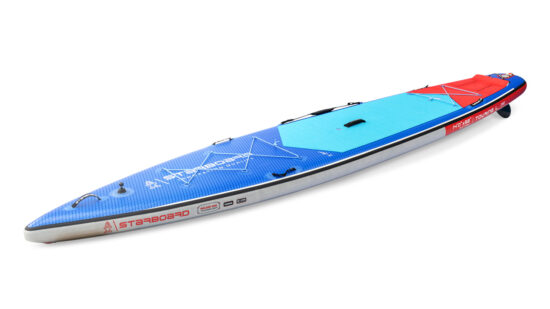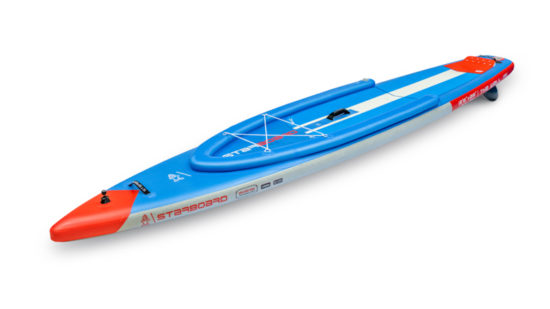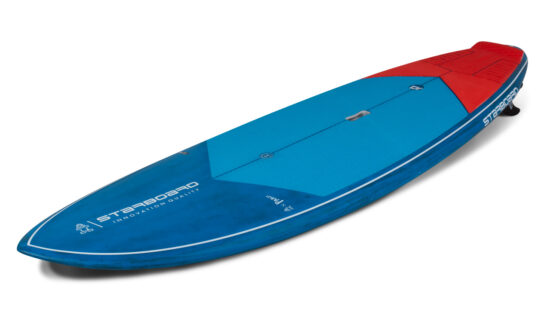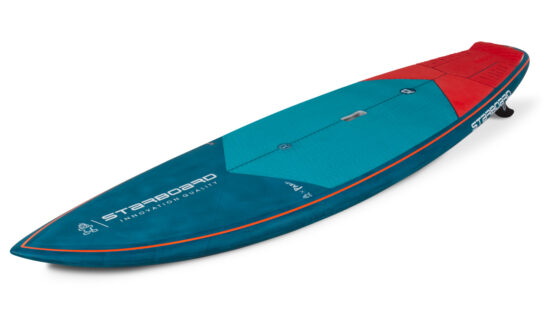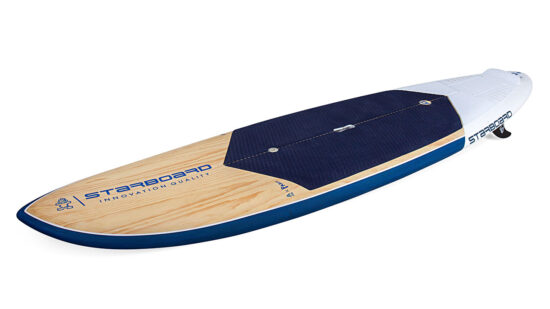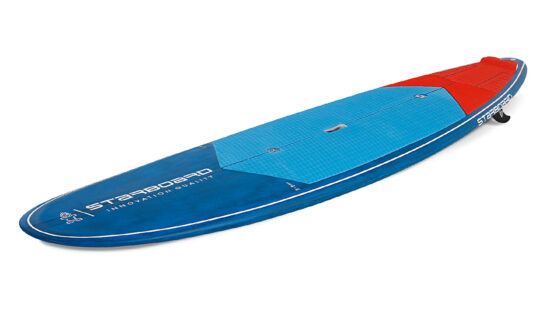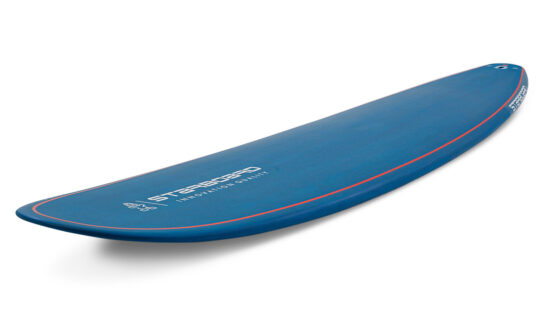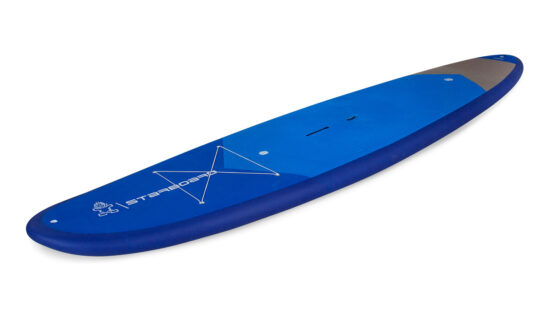

8'0" x 26" Tiki
Available in : Candy, Camo, Blue Touch
Dimensions:
Length: 243 cm
Width: 67.5 cm
Tail Width: 17.7" /43.3 cm
Stability rating: 1
Thickness: 4" /10.2 cm
Volume: 105 L
Every good light weight rider on the team have totally fallen in love with this shape. Dedicated ripper for smaller framed people to tear it up. Fast and loose is the feedback received. With mono concave to a V'd double concave, allowing acceleration of the learning curve beyond the parameter's of today.
Mono concave nose section to flat middle with a fair amount of tail V.


Thruster fin system
19 cm fin / 7.5" Center fin
11.5 cm / 4.5" Side fin
Chicama Peru
Stand Up Paddle boarding is far from new.
In Peru, villages were often built close to heavy shore breaks as protection from ocean pirates. The fishermen adapted and developed reed crafts, called Caballito de Totora, to be able to bring fish in through the waves. Peruvian archeologist has discovered that the art of Stand up paddle boarding must have existed for thousands of years with the discovery of stand up paddle craft dating back over 5000 years on crafts such as these. In 1947, Thor Heyerdahl, a Norwegian explorer, adventurer and scientist set out to prove that ocean currents in the Pacific Ocean was the genetic link between the Polynesians and South Americans, (thus also the arts of fishing and surfing between the countries). He traveled to Peru where they used trees and other native materials to construct a balsawood raft in an indigenous style (as recorded in illustrations by Spanish conquistadores). They set off on the "Kon Tiki" and 101 days later smashed into a reef on the Tuamotu islands. The general consensus is that SUPs heritage comes from Polynesia, where it was utilized purely as a pleasurable past time, rather than using the craft as a fishing tool. This could provide a possible link between stand up paddle boarding, Peru, Tahiti and its heritage.